GEOTECHNICAL ENGINEERING
COLUMBUS OHIO
HomeGeophysicsSeismic tomography (refraction/reflection)

Seismic Tomography (Refraction/Reflection) in Columbus, Ohio

Sound ground. Sound decisions.

LEARN MORE

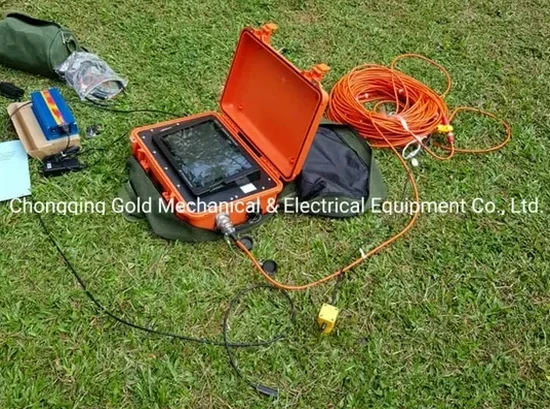
A 24-channel Geode seismograph sits on the corner of High and Broad. The crew lays out a spread of 4.5 Hz geophones across the asphalt. One sharp hammer blow sends a compressional wave racing through the glacial till beneath downtown Columbus. The refraction microtremor data feeds into the laptop in real time. Seismic tomography works because velocity changes at every layer boundary—from weathered shale to competent limestone. In Columbus, we use this method to map the top of bedrock across the Scioto River valley. The equipment is compact enough for urban infill lots. The resolution is good enough to spot a buried valley 40 feet down. Our team pairs this with MASW surveys when the client needs Vs30 data for an IBC site classification on the same mobilization day.

A 2D seismic tomography profile in Columbus glacial terrain can resolve bedrock topography within ±0.5 feet—that’s the difference between a spread footing and a driven pile.
Our service areas

Methodology and scope

ASTM D5777-18 governs the entire acquisition sequence—from trigger timing to geophone coupling. Columbus sits on a patchwork of glacial drift over Devonian shale and limestone. That interface depth varies wildly between Clintonville and German Village. One lot might hit rock at 12 feet. The next one over might need 60 feet of overburden investigation. The IBC references ASCE 7-22 Chapter 20 for site classification. A proper seismic refraction survey gives you the definitive answer. We shoot multiple spreads with overlapping coverage. The first-arrival picks feed into a tomographic inversion algorithm. The output is a 2D velocity cross-section with decimeter-scale accuracy. For deeper targets or layered stratigraphy, we switch to seismic reflection profiling. The reflection method images acoustic impedance contrasts—perfect for mapping the contact between glacial till and bedrock across a proposed detention basin footprint. Many of our commercial projects combine this with CPT soundings to calibrate the seismic velocities against measured tip resistance and sleeve friction in the soft upper soils.
Seismic Tomography (Refraction/Reflection) in Columbus, Ohio
Technical reference — Columbus Ohio

Site-specific factors

Columbus winters create a specific problem for seismic refraction. Frozen ground increases near-surface velocity by 30 to 50%. That spike wrecks the refraction interpretation if nobody accounts for it. We shoot a frost-depth check with a short spread before every winter survey. The other risk is cultural noise. The city hums. Traffic on I-71, compressors at a nearby construction site, even the COTA bus every 15 minutes—all of it injects low-frequency noise into the geophone array. Our seismograph stacks multiple hammer blows. We use a 60 Hz notch filter and a bandpass window matched to the source signature. The result is a clean first-arrival pick even at a gas station site next to a highway off-ramp. Another regional factor: the Olentangy Shale weathers fast when exposed. A reflection survey that penetrates the weathered zone gives the real picture below the decompressed upper rock, which matters if you plan a deep excavation for a parking garage.

Need a geotechnical assessment?

Reply within 24h.

Email: contact@geotechnicalengineering.biz

Applicable standards

ASTM D5777-18 Standard Guide for Using the Seismic Refraction Method, ASCE 7-22 Chapter 20 Site Classification Procedure, IBC 2021 Section 1613 Earthquake Loads, Ohio EPA VAP Technical Guidance for Geophysical Surveys

Reference parameters

ParameterTypical value
MethodSeismic refraction microtremor (SRT) and seismic reflection profiling per ASTM D5777
Source typeAccelerated weight drop (200 kg) or 8-kg sledgehammer with trigger switch
Geophone array24 to 48 channels, 4.5 Hz vertical-component geophones at 5 to 10 ft spacing
Maximum depth of investigation120 ft below grade (refraction) / 300 ft (reflection) in Columbus basin sediments
Output deliverables2D P-wave velocity tomogram, bedrock contour map, rippability classification, Vs30 profile
Site classificationIBC Chapter 16 / ASCE 7-22 Table 20.3-1 Site Class A through F
Typical survey duration1-2 days for a 400-ft profile on a Columbus commercial lot, including reporting

Common questions

How deep can seismic refraction see in Columbus’s geology?

With a 460-ft spread and a weight-drop source, we reliably image to 100 to 120 feet below grade in the glacial till and shale bedrock typical of Franklin County. The depth limit is controlled by the velocity contrast at the target horizon and the signal-to-noise ratio on site. For deeper targets—such as mapping the sub-Lockport dolomite contact for a deep tunnel study—we switch to seismic reflection, which can reach 300+ feet in the local basin sediments.

What does a seismic tomography survey cost for a typical Columbus commercial lot?
Can you do a seismic survey on a small urban lot with limited space?

Yes. We use a compact 24-channel system with 5-ft geophone spacing for confined urban sites. The total spread length can be as short as 115 ft, which fits on most Columbus infill lots. The trade-off is reduced depth of investigation—typically 30 to 40 feet with a short spread. For deeper targets on a tight lot, we supplement the refraction data with a CPT sounding at a single point to constrain the velocity model at depth.

Location and service area

We serve projects across Columbus Ohio and surrounding areas.

View larger map