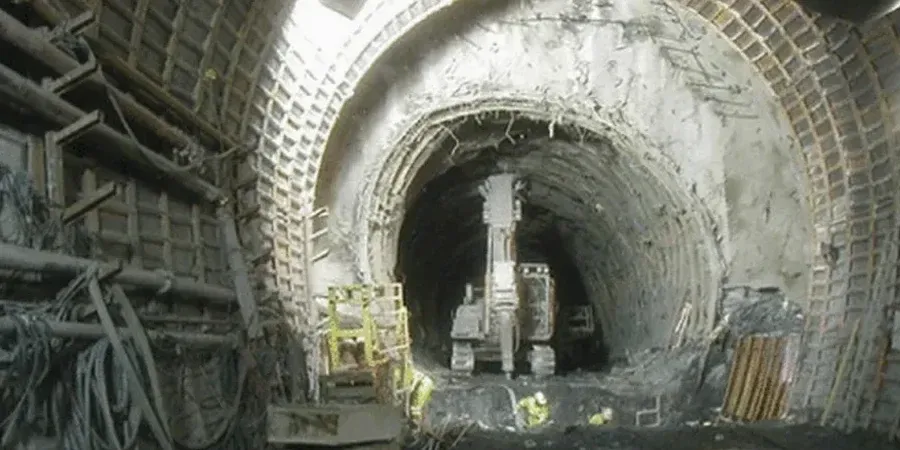
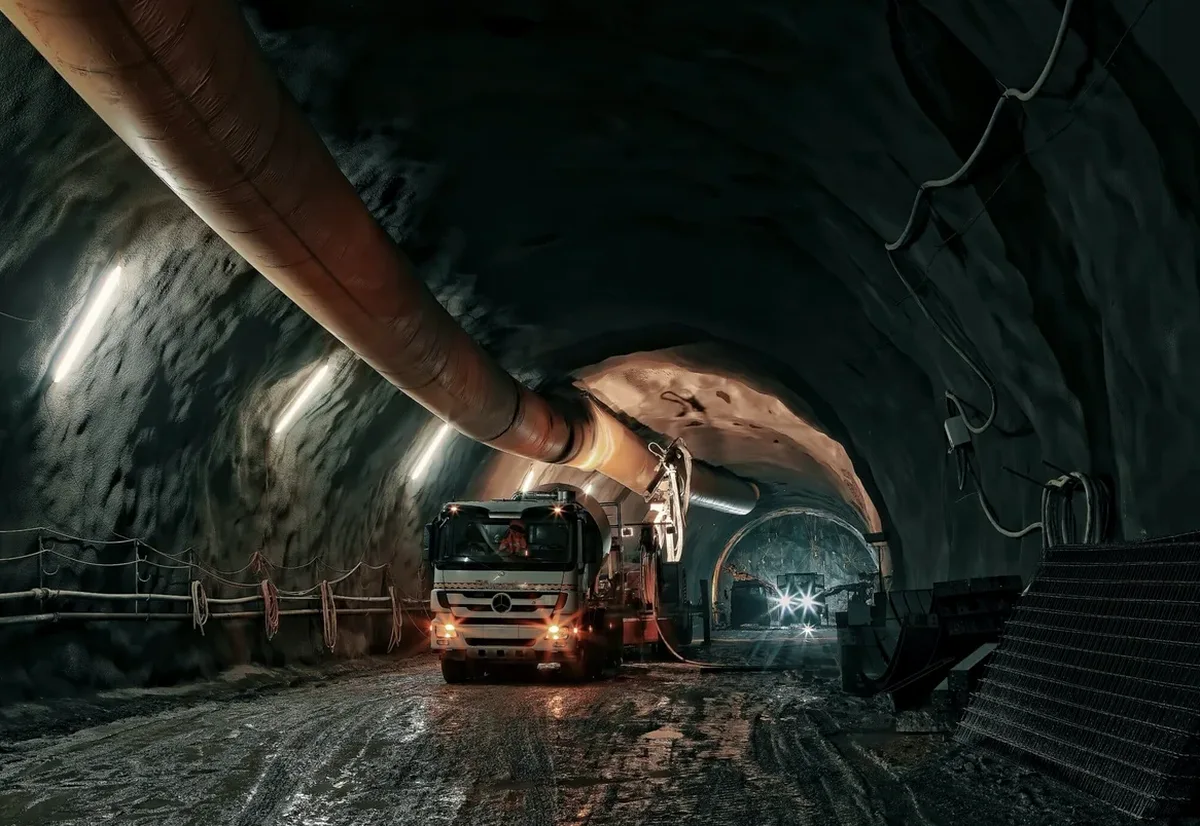
Columbus sits on a complex subsurface legacy: the Wisconsinan glaciation left behind up to 40 feet of soft, compressible lakebed clays before you reach competent limestone. Tunneling through this stratum requires more than standard soil borings. The local geology demands a focused geotechnical analysis for soft soil tunnels that quantifies undrained shear strength, consolidation behavior, and time-dependent settlement. Without that level of detail, even a TBM can face unexpected face instability in the Scioto River valley deposits. Our laboratory processes undisturbed Shelby tube samples under ASTM D4767 and D2435 protocols, delivering the design parameters engineers need to predict ground loss before it reaches the surface. For deeper sections where glacial till transitions to shale, we often pair tunnel design inputs with data from in-situ permeability tests to manage groundwater inflow assumptions.
Tunneling through Columbus lakebed clays without consolidation data is like navigating without a map; the ground tells you where it will move only if you ask the right questions in the lab.