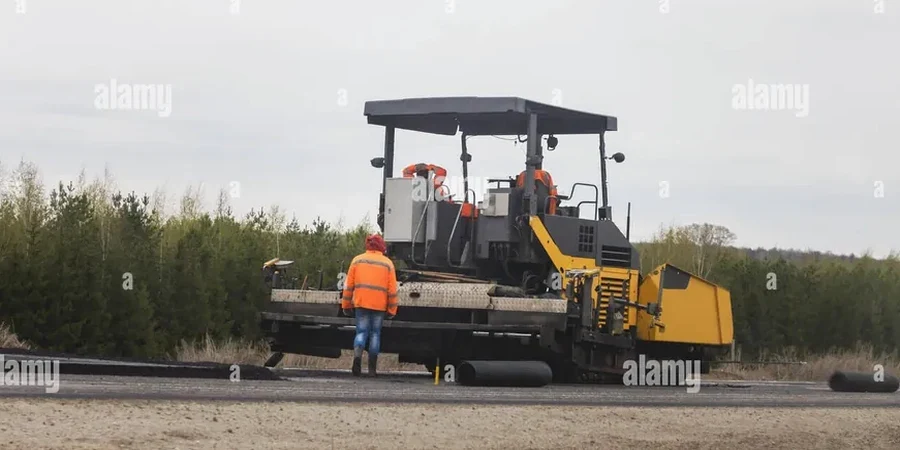
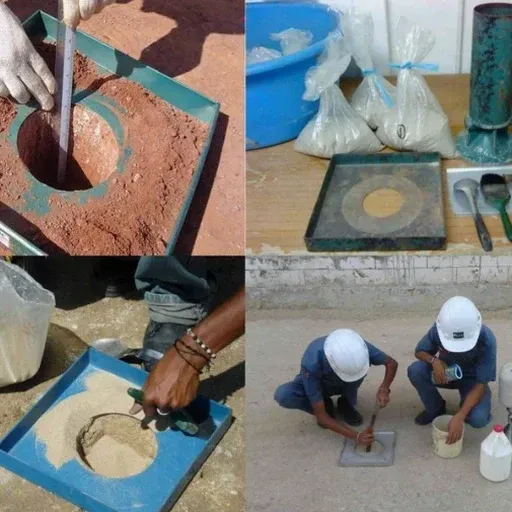
We see it too often on Columbus job sites: a contractor runs a ride-on roller over a utility trench backfill, checks the box on their daily report, and three months later the asphalt over that trench has sunk two inches. The problem is almost never the roller or the operator — it is skipping the field density verification with a calibrated sand cone apparatus. Central Ohio's natural ground is dominated by Wisconsinan glacial till and outwash deposits, which can vary from stiff clay to loose silty sand within a single block along High Street. Without a direct measurement of in-place density and moisture content versus the laboratory Proctor curve, you are relying on guesswork. Our sand cone density testing follows AASHTO T 191 step by step, using graded Ottawa sand that has been oven-dried and calibrated against a reference volume before every field campaign, so each test result reflects real compaction energy transferred to the soil, not an optimistic assumption.
When a sand cone test comes back at 92 percent on a subgrade that needs 98, the fix costs a few hours of re-rolling. When nobody tests, the fix costs a lawsuit.