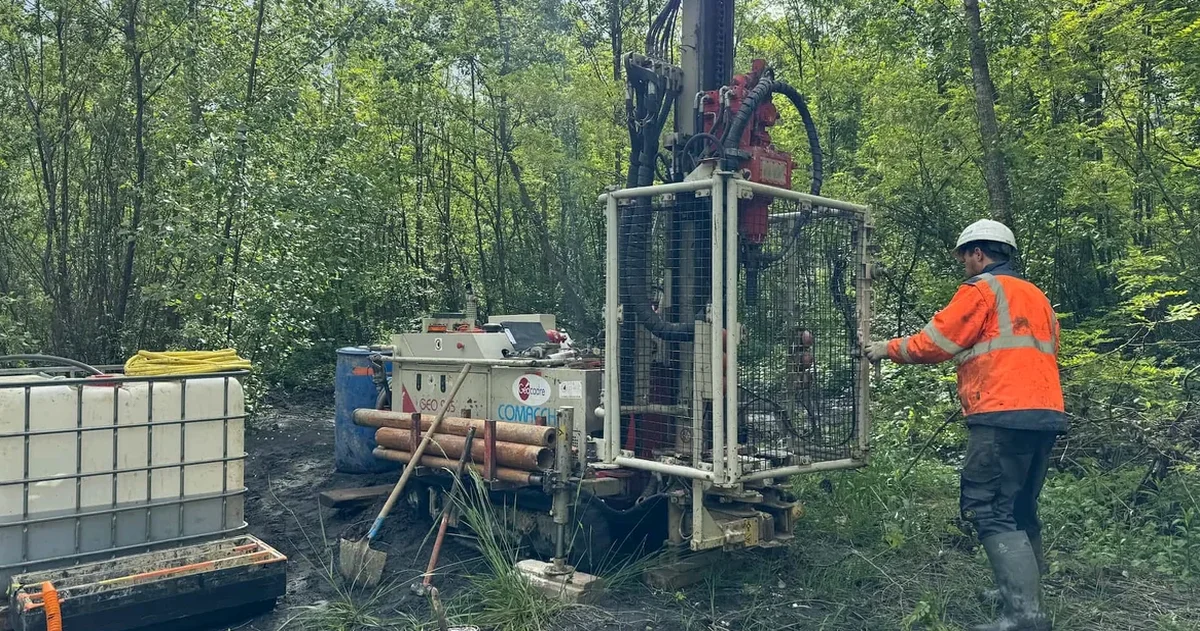
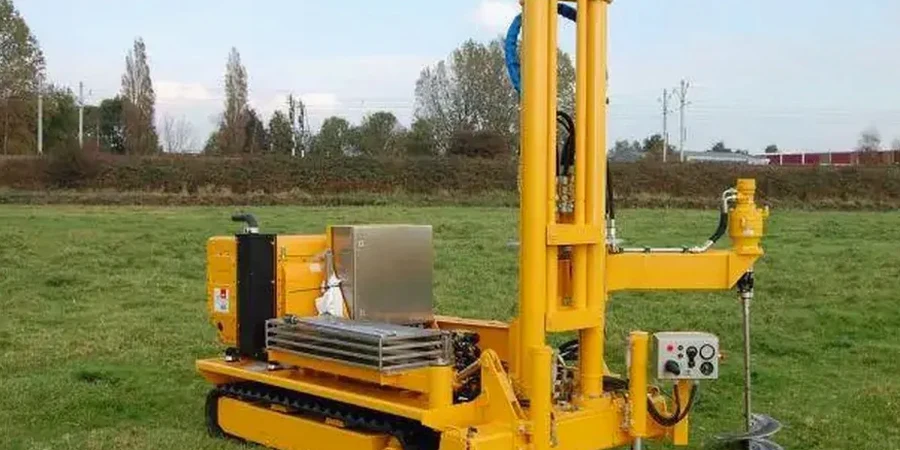
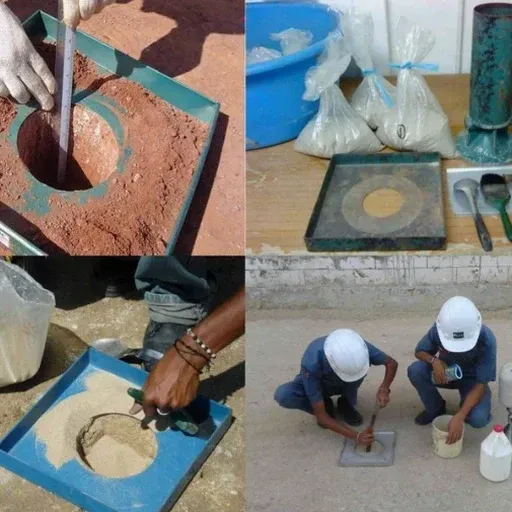
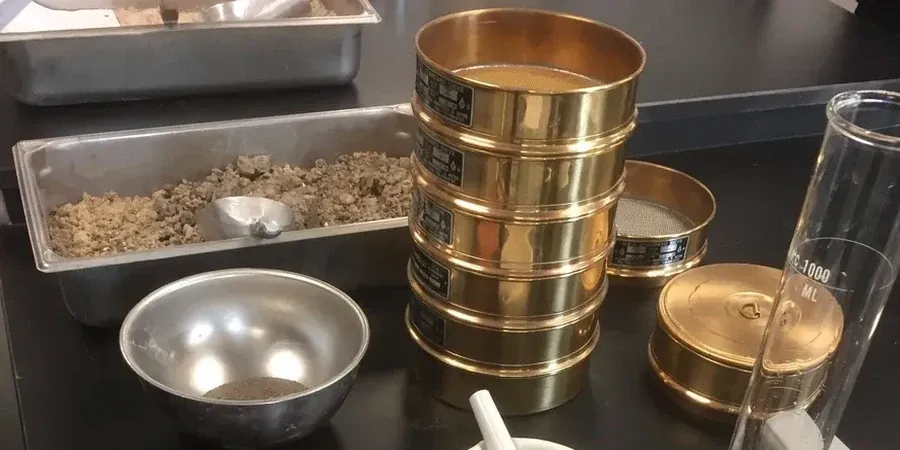
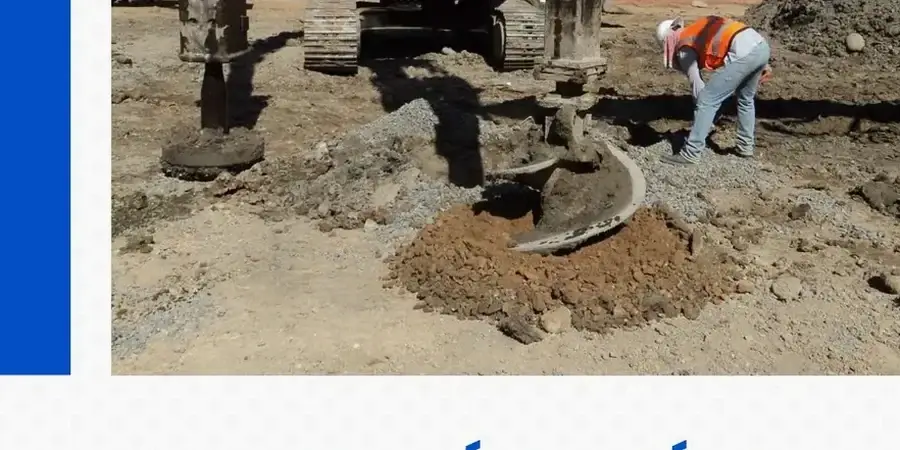
Glacial till and alluvial deposits define the subsurface across Franklin County. Columbus sits on a complex layering of Wisconsinan-age drift over Devonian shale and limestone bedrock, with the Scioto and Olentangy Rivers cutting through the city. This means bearing capacity can swing from excellent to marginal within a single project site. A soil mechanics study quantifies that variability before the first footing is poured. We run laboratory index tests including grain-size distribution per ASTM D2487 and Atterberg limits to classify the material, then correlate results with field data from SPT drilling to produce a full geotechnical profile. The report delivers allowable bearing pressures, estimated total and differential settlement, and lateral earth pressure parameters for foundation design — all calibrated to the specific glacial stratigraphy of the Columbus area.
Glacial geology under Columbus means two borings 50 feet apart can hit entirely different soil profiles — that's why index testing on every stratum matters.