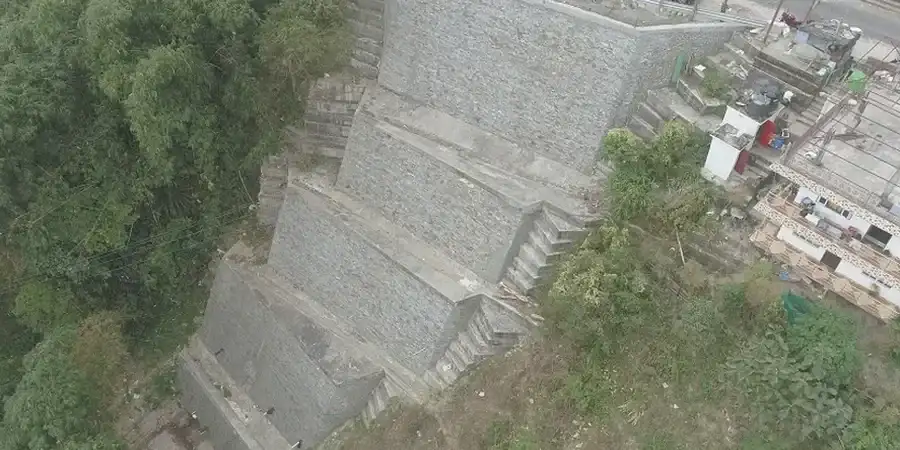
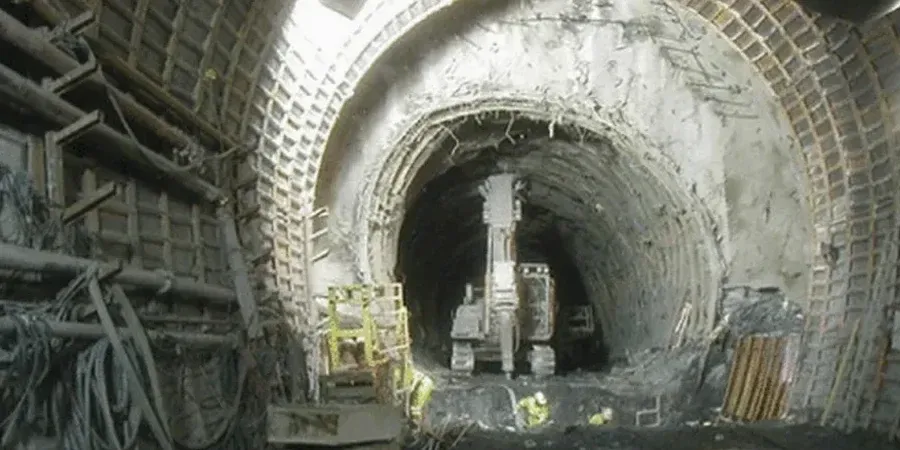
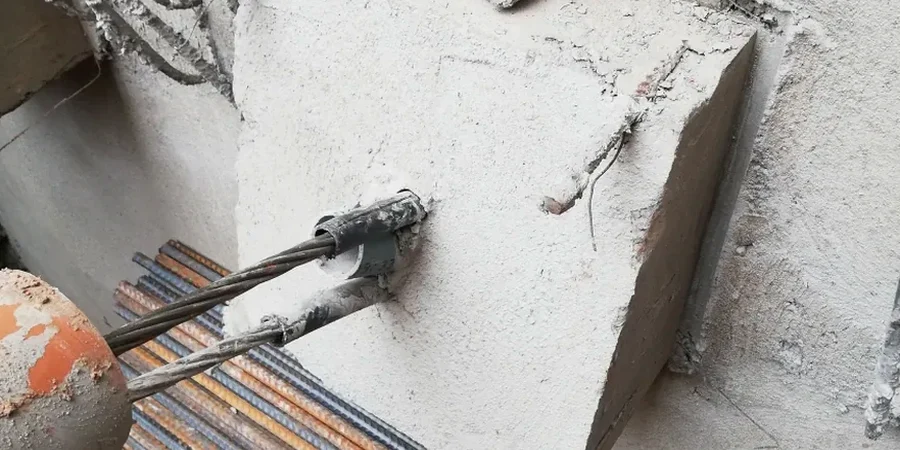
A mid-rise excavation near the Scioto River last fall required a tied-back soldier pile wall because the site sat just 40 feet from a historic brick building. The general contractor's first instinct was a conventional bracing system, but the geometry of the lot and the presence of glacial till at 12 feet below grade made external bracing impractical. In Columbus, where the overburden transitions between stiff clay and limestone bedrock, anchor design is not a catalog exercise. The bonded length, the unbonded length, and the inclination have to be set around very specific stratigraphic markers. We see this pattern across Franklin County: projects in the downtown corridor, from the Short North to Franklinton, encounter a weathered shale layer that governs grout-to-ground bond stress more than any textbook value would suggest. On that Scioto River project, we combined the anchor load test program with a slope stability evaluation to confirm that the excavation sequence would not unload the adjacent foundation soils, and we used deep excavation monitoring to track lateral movements during anchor lock-off. Active and passive ground anchors in Columbus require more than pullout capacity calculations; they require an understanding of how the local stratigraphy reacts to sustained load in both drained and undrained conditions.
Bond stress in Columbus glacial till can exceed FHWA presumptive values by 30 percent when preconsolidation pressure is properly accounted for in the design.